Blog
CATEGORY: Best practicePublic Sector
WhatsApp for public sector comms: meeting residents where they already are
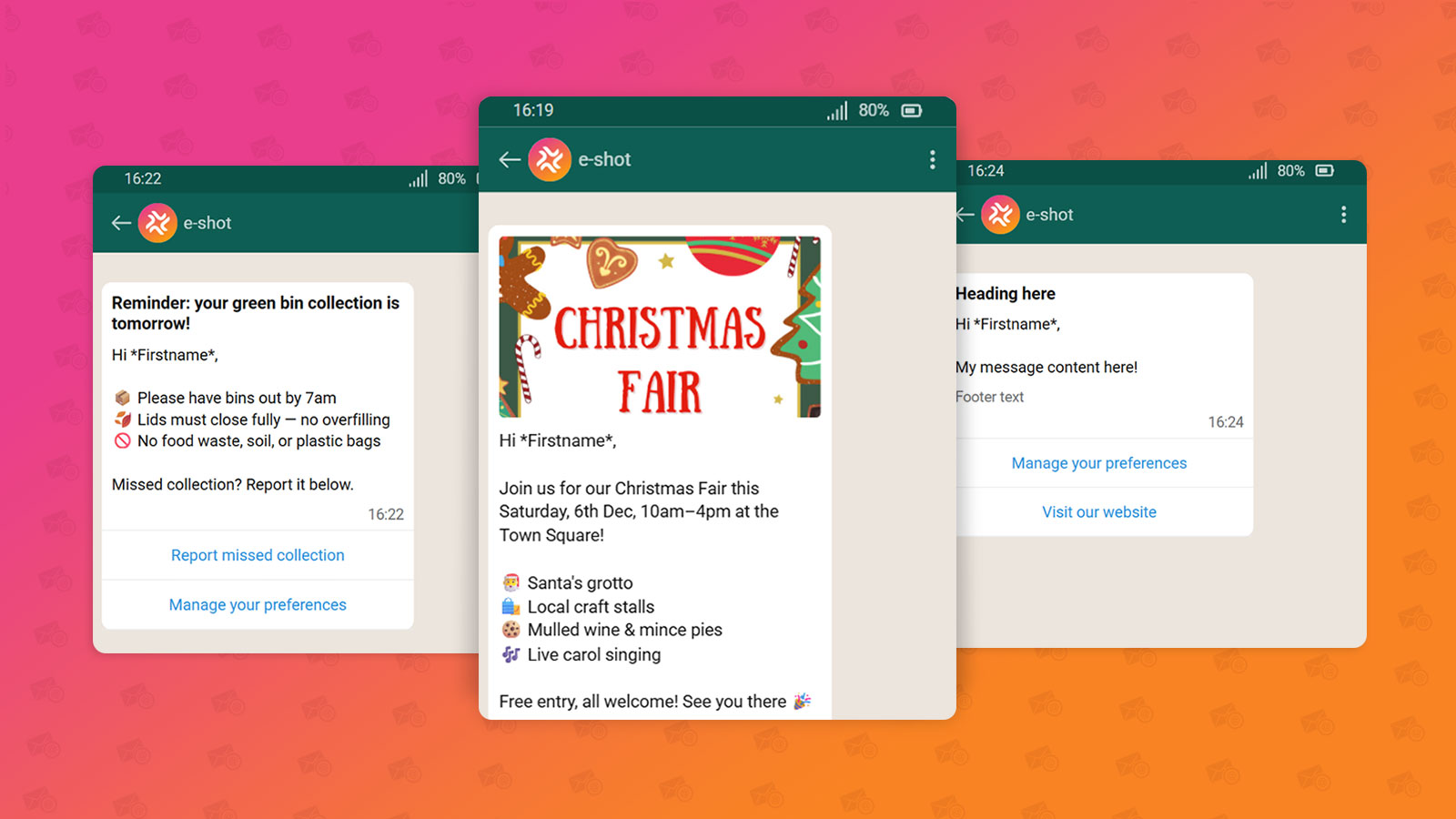
WhatsApp for public sector comms: meeting residents where they already are
Not all residents will visit your website page or check your social channels for services or updates. But according to Ofcom, WhatsApp reached 90% of adults in the UK in 2025 . WhatsApp allows you to reach residents in a place they already spend time, to receive information about things that matters to them.
For public sector organisations such as local and central government, housing associations and the blue light services, WhatsApp can provide timely, secure and personal messages such as bin reminders, repair confirmations, event invitations and safety advice. Messages go through the WhatsApp Business Platform, usually via a provider like e-shot, and residents must opt in first. Used well, WhatsApp adds a trusted channel alongside email, SMS, phone and post.
How WhatsApp messaging works
Organisations can not send bulk messages from a standard WhatsApp account. For broadcasting messages, WhatsApp Channels is a free one-to-many feature. It suits general news and updates, but it cannot be personalised or triggered by a resident's data, and people can't reply in a conversation.
There are different ways to use WhatsApp, and it helps to know which one applies to you.
The everyday WhatsApp app, and the free WhatsApp Business app, are designed for one-to-one chats from a single phone. They work well for small businesses replying to customers, but they’re not built for organisations sending updates to hundreds or thousands of people.
To send messages at scale, or to start a conversation rather than just reply to one, organisations use the WhatsApp Business Platform. This is the version of WhatsApp made for larger organisations. It’s sometimes called “the API”, short for Application Programming Interface, which simply means a secure way for different systems to talk to each other.
You don’t need to connect to the WhatsApp Business Platform yourself. Instead, you use an approved messaging provider, such as e-shot, which does the technical work for you. e-shot connects to the systems you already use, such as your customer relationship management (CRM) system, waste system, housing management system or case management tool. This means you can send timely, relevant messages using information you already hold, like a bin collection reminder or a repair appointment update, without copying data between systems.
What this means for you
With e-shot, you don’t need technical knowledge to get started. We help you set up your WhatsApp account, connect your systems and make sure you’re following WhatsApp’s rules. You can then create and send messages from one place, alongside your other communications.
Sending WhatsApp messages: Opt-in first
People must agree to receive your messages on WhatsApp before you contact them. This is a WhatsApp policy requirement and a data protection one. Getting it right protects the people you message, your reputation and your WhatsApp account.
Why it matters
WhatsApp is a personal space. People use it to talk to friends and family, so unexpected messages from a business can feel intrusive. WhatsApp’s Business Messaging Policy says you must have someone’s permission before you message them. If people block or report you, WhatsApp may limit or suspend your account.
Data protection law also applies. A mobile number is personal data under the UK General Data Protection Regulation (UK GDPR). Marketing messages sent by WhatsApp are also covered by the Privacy and Electronic Communications Regulations (PECR). Together, these rules mean you need a clear, lawful reason to use someone’s number, and you usually need their consent to send them marketing.
Templates for outbound WhatsApp messages
Anything you send first, outside a conversation the resident has started, uses a pre-approved message template. Meta puts these in categories:
utility - these are reminders, confirmations, service updates
marketing - these are promotions, event invitations
authentication – these are messages asking you to confirm a subscription etc
Costs are per delivered template message
Since July 2025 Meta has billed organisations per message rather than per conversation, with rates varying by country and category. Meta decides if your what category your messages fall into. Marketing messages cost more than utility ones, and Meta has announced further changes to service message charging from October 2026. Check the current rate card with your email provider before budgeting.
Analytics
Once your message is sent, you will want to know how it performed. e-shot’s message analytics show you how many messages were delivered and read, and how many people clicked a link. This helps you understand what is working, spot where engagement drops off, and plan more effective messages in future.
You might, for example, you might find that shorter messages get more clicks, or that certain times of day get faster opens. Over time, this data builds a clear picture of how your residents, patients or service users engage with you. Not only valuable for improving your communications, but it can also demonstrate you impact to leadership teams, elected members, partners and regulators. Importantly it helps you show that public money is being spent on channels that genuinely reach more people.
How WhatsApp can work in local government
Councils have a wide range of use cases for using WhatsApp to communicate with residents, this can also work well in combination with email.
Bin collection reminders. The classic example involves a WhatsApp message the evening before bin collections, reminding a household which bin to put out. Alerts can be set for changes in collections after bank holidays, bad weather or crew shortages. As it is tied to a resident's address, it is relevant every time.
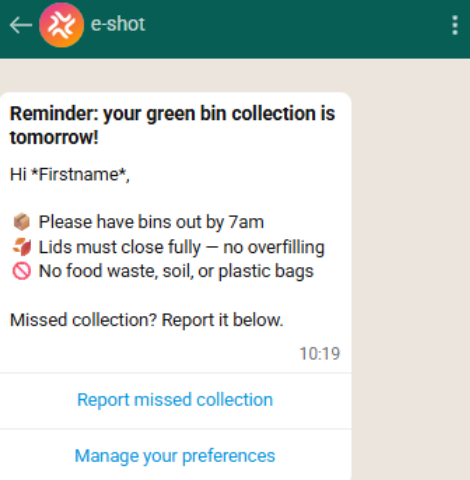
Promoting events. This can include any event the council is promoting from; switching on the Christmas lights, community fun days, library activities or school holiday programmes. A WhatsApp invitation with an image, date and a one-tap link to book gets seen far more reliably than a social post. This is considered a promotional message and uses a marketing template so will need clear consent from residents to receive this.
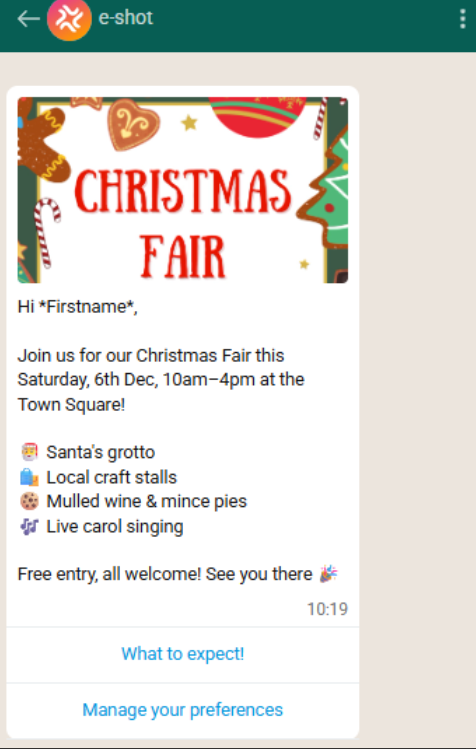
Two-way service requests. Some councils such as Lichfield District Council now let residents report missed bins or noise complaints through WhatsApp. Residents do not need to login to an app, and the conversation can feed straight into an internal case system or CRM.
Service disruption. This can include disruptions to roads, leisure centre closures or a pause on garden waste. Providing timely updates can reduce complaints and minimise the occurrence of misinformation.
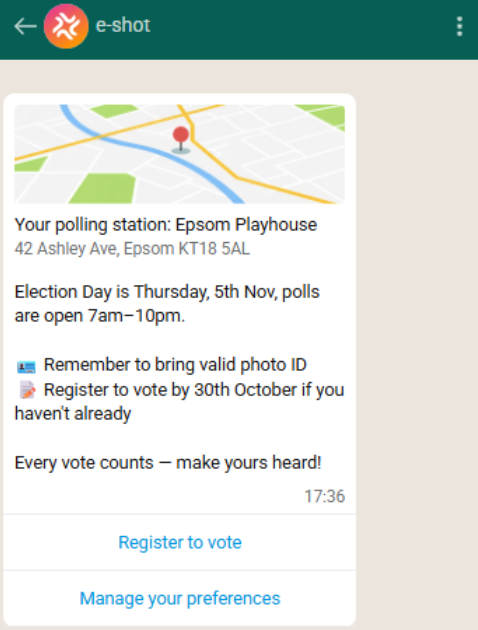
Deadlines and nudges. Reminding residents of important dates, that include council tax direct debit reminders, electoral registration or school application deadlines, and garden waste renewals. These reminders help keep residents informed of important information.
Consultations. By sharing a short link or even a quick poll via WhatsApp can be an effective way to reach people who do not usually respond to consultation surveys through the usual channels.
How WhatsApp messaging can work for central government departments
Central government departments and government agencies often need to reach large and varied audiences. Not doing so can have far-reaching consequences on public services and resources. Examples include:
Appointment and deadline reminders. Prompting people to attend an appointment, renew a document or complete a form before a cut-off date.
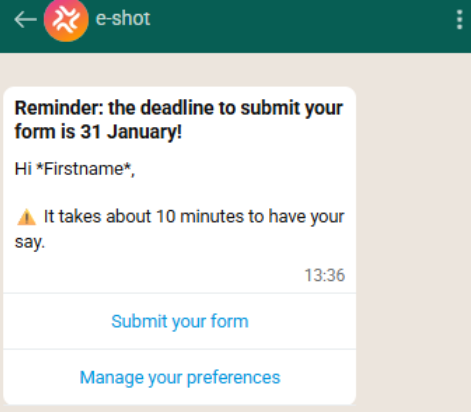
Public health campaigns. Vaccination and screening invitations, with links to book appointments or behaviour change campaigns for example to support residents to stop smoking.
Policy and scheme updates. New scheme launches, changes to eligibility, deadline reminders or scam awareness.
Support with cost of living. Informing eligible people about a new benefit entitlement or a change to an existing benefit.
Crisis and rapid-response information. Fast, shareable, trusted updates that counter misinformation. These sit alongside, not in place of, the UK Emergency Alerts system.
The appeal is the same everywhere: a short message, a clear action and a single link, from an organisation people already know, use and trust.
How WhatsApp messaging can work for housing associations and social landlords
Social housing providers, including housing associations and councils with social housing deal in a high volume of practical, time-sensitive conversations with tenants, many of whom may not engage with or are suspicious of more traditional methods of communications such as a formal letter or answering a phone call.
Digital divide and reaching seldom-heard and hard-to-reach tenants
Not every tenant will visit your website or access your tenant portal, and that can mean some people miss important information about their home or community. Whether reaching people whose first language is not English, those with limited digital confidence, or older residents, WhatsApp can help close that gap. According to Ofcom, 90% of the UK population regularly use WhatsApp. Those who do not engage with other digital channels are more likely to use WhatsApp every day to keep in touch with family and friends. That makes it a practical way to reach tenants who are often missed in more traditional communications channels. It works best alongside your other channels, not as a replacement, ensuring no one is left behind.
Evidencing engagement
Sending a message is only half the story. As part of your Consumer Standards inspections with the Regulator of Social Housing, it is important to evidence engagement to show it made a difference and had an impact.
WhatsApp gives you clear data on delivery, reads and replies, so you can see which tenants you are reaching and how they are responding. That evidence gives you a clear record of how you engage with and listen to tenants.
Other examples of how WhatsApp can support social housing providers includes
Repairs. Appointment confirmations, "we're on our way" reminders, and the option to reply with photos of a fault, which helps diagnosis before a visit. This can help cut wasted trips and ensure better services.
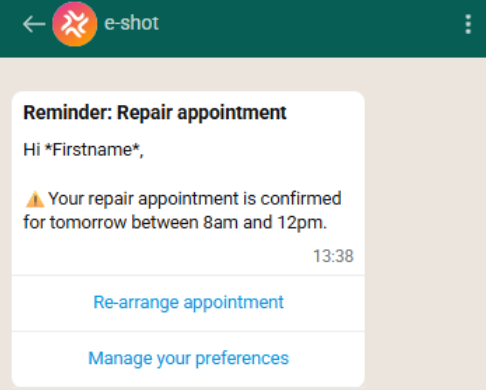
Rent reminders and income support. A friendly nudge before a payment is due, with a link to pay or to speak to someone about help. A message on a personal channel can feel less intimidating than a formal letter.
Safety and compliance. A reminder that gas safety check are due and access required, damp and mould follow-ups, fire safety information for residents in high-rise blocks.
Estate and building updates. Updates on lift outages, water shut-offs, planned works or scheduled cleaning can be communicated with ease.
Resident engagement. Sharing satisfaction surveys, community events, invitations to scrutiny panels.
How WhatsApp messaging can work for blue light and emergency services
WhatsApp is not a route for 999 emergencies, and any blue light or emergency service using it should say so clearly. For non-emergency and community-focused communications however, WhatsApp has real value.
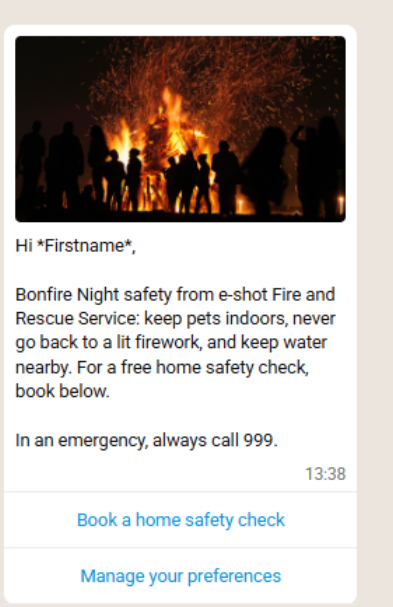
Fire and rescue. Home safety check offers and bookings, seasonal safety-focused campaigns such as Bonfire Night or water safety in the summer. Providing timely follow-up advice and information after an incident in a neighbourhood.
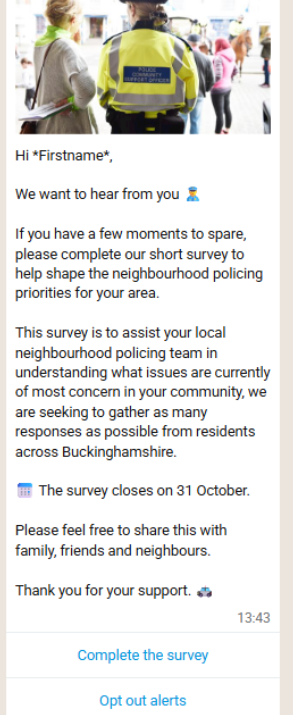
Police. Neighbourhood updates, appeals for witnesses in a local area, crime prevention advice, appointment reminders for victims and witnesses, and community engagement ahead of events.
Ambulance and NHS partners. Public health messaging, winter pressure advice on choosing the right service or support.
Multi-agency incidents. Shared, trusted updates to a defined local audience during flooding or major disruption, alongside alerts.
During an incident, rumours can spread faster than the facts. By sending timely, accurate updates from a trusted source, blue light organisations can help combat misinformation and disinformation. And by using a channel that residents already know and trust, they can build confidence and keep communities informed when it matters most.
Getting it right: WhatsApp as part of your communications toolbox - start small, build trust, then scale
WhatsApp works best when it is used with care. Some key considerations include:
Get consent properly. Capture opt-in clearly, record it, and make it easy to opt out. Involve your data protection officer and be clear on the difference between service/utility messages and marketing under PECR and UK GDPR.
Keep it useful. One purpose per message. Residents will leave if it feels like they are being spammed, whilst over-messaging can lower your quality rating with WhatsApp.
Write in plain English. Short, specific, with one clear next step.
Don't create digital exclusion. WhatsApp should add a channel, not replace phone, post or face-to-face access.
Protect data. Don't include sensitive personal information in templates and check your supplier's security and data processing arrangements.
Measure. Track delivery, reads, clicks and opt-outs, and compare the cost with the print, postage and phone calls it replaces.
WhatsApp works alongside phone, post, email, apps and face-to-face contact, not instead of these channels. It needs good consent practices, a plan for handling replies and clear boundaries, particularly for blue light and emergency services where calling 999 must be the only route for emergencies.
A sensible way to begin
Pick one high-volume, low risk use case, such as bin reminders, event promotion or appointment confirmations.
Agree consent wording and opt-in routes with your data protection officer.
Pilot with a small group, and measure delivery, reads, clicks, replies and opt-outs.
Compare the results and costs with other channels you use today.
Sending WhatsApp campaigns with e-shot
You do not need to build any of this yourself. e-shot is a secure digital communication platform trusted by public sector organisations. Our WhatsApp campaigns feature lets you send WhatsApp messages from the same place you already send email campaigns and SMS.
Built in, not bolted on. e-shot has a WhatsApp API that is natively integrated. This means you can set up a campaign in much the same way as an email campaign.
Multi-channel campaigns. Using automation, you can build journeys that combine email, SMS and WhatsApp. So for example, you could schedule a WhatsApp reminder for residents who have not opened an email, as part of a wider engagement campaign.
Audience and data tools. By segmenting contacts, you can personalise messages and let people manage their own subscription preferences. In turn each message sent is relevant whilst consent is easier to manage.
Reporting. Track results across channels to see who you are reaching and who you are missing. This provides useful evidence for engagement and inspection purposes.
Separate teams, one platform. E-shot subaccounts keep services, brands and departments independent, handy for a council with many comms and service teams sending multiple campaigns.
Public sector ready. e-shot is available through G-Cloud 15 and publishes its security, data protection and accessibility information.
For public sector organisations, WhatsApp turns one-way announcements into timely, personal and useful conversations: a bin reminder that arrives when it matters, a repair visit that doesn't get missed, a safety message that actually gets read.
The common thread across every example here is that residents choose to hear from you, in a place they already spend time, about something that matters to them. That is what separates a channel people value from one they mute, block or unsubscribe from. It also helps organisations deliver on save resources and meet strategic priorities: fewer missed appointments and missed collections, fewer inbound calls, lower print and postage costs, and better engagement with groups that traditional channels struggle to reach.
Done well, WhatsApp helps public services do something simple but powerful: reach people in the moment, in the place they are already looking.
Ready to try it? e-shot lets you send WhatsApp campaigns alongside email and SMS from one platform. Request a demo or find out more about WhatsApp campaigns.
You may also like these blogs
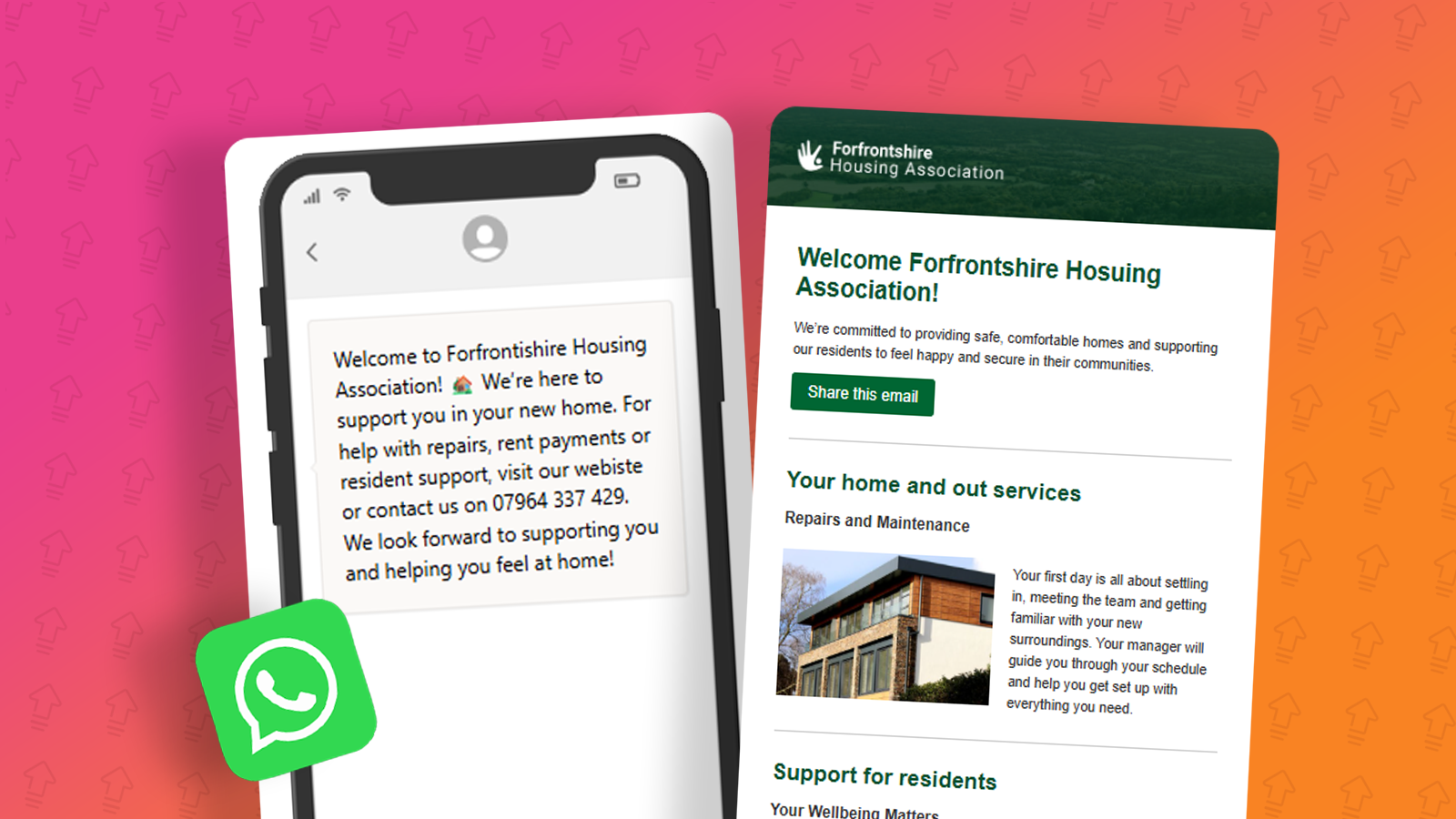
Better resident communication and closing the loop
October 19th, 2026 - Stephanie Richardson
How can social landlords reach more residents and evidence engagement? Social landlords can reach more residents by using the channels people...
Is it time to jump on the WhatsApp Channel bandwagon? A 2026 Reality Check
September 28th, 2026 - Dan Hare
Or should we remember Meta's previous form? WhatsApp Channels launched globally in September 2023 as a one-way broadcast tool inside the...
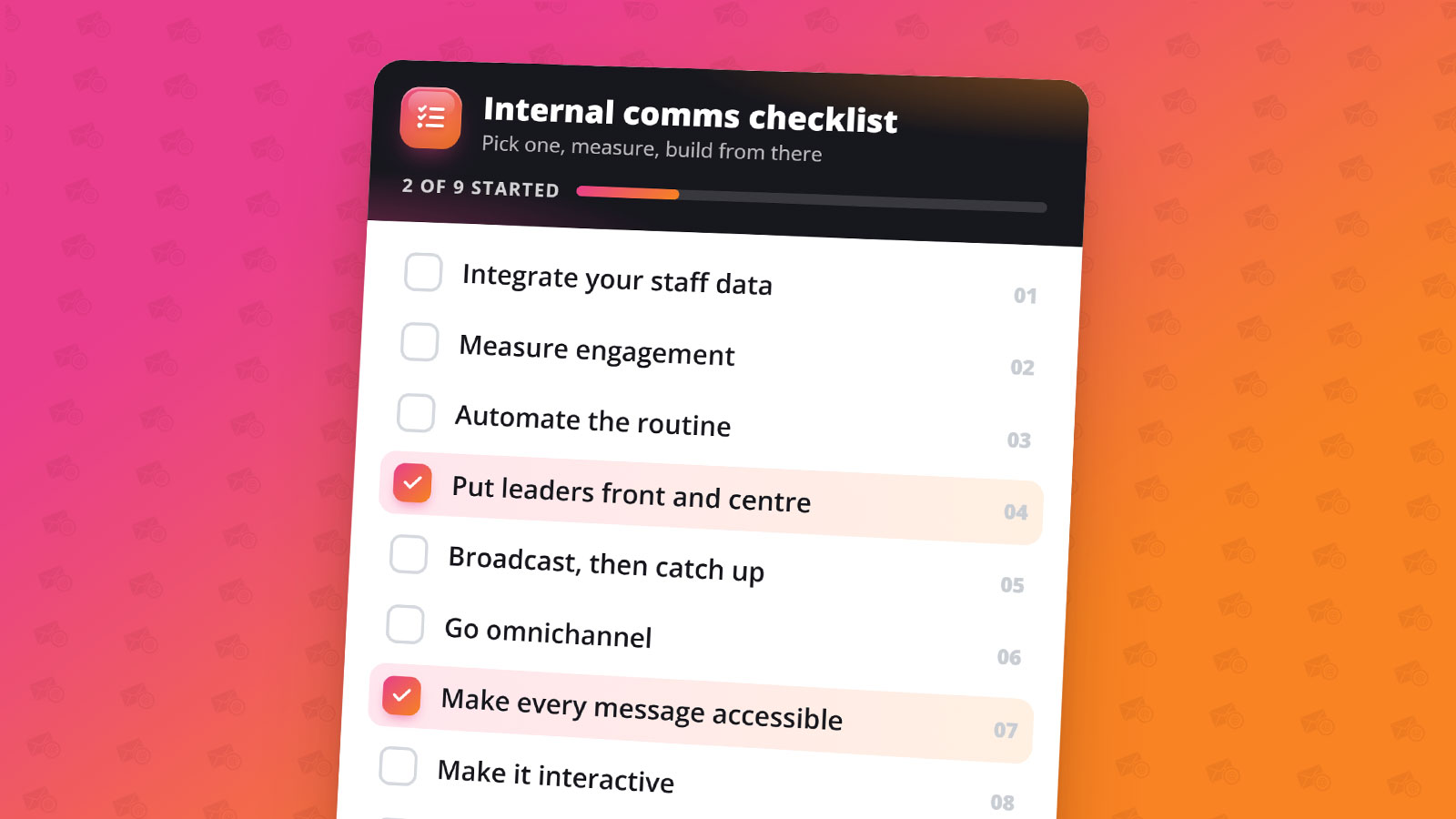
How to improve internal comms engagement: 9 practical ideas
October 22nd, 2026 - Stephanie Richardson
To improve internal comms engagement, treat your staff like any other audience you need to reach. There are 9 practical ways to do it. Start with...
Solutions
Email Marketing
Create email campaigns and newsletters and manage end-to-end subscription processes with forms and preferences.
Marketing Automation
Create sophisticated automated campaigns for email and SMS combined.

Digital Communication
The comprehensive solution to manage and automate your digital communication across email, SMS, websites and landing pages.

Email marketing healthcheck
We are confident that we can help you, which is why we offer a free healthcheck to identify potential issues with your current programme and free advice on things that could be done to improve it.