Blog
CATEGORY: Public Sector
How to improve internal comms engagement: 9 practical ideas
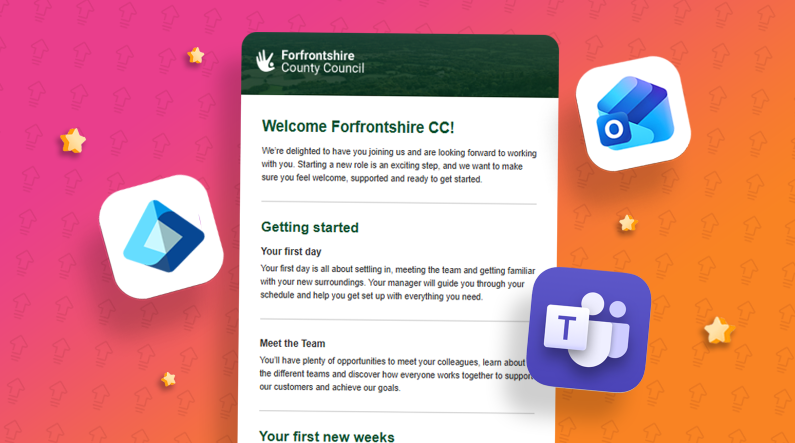
To improve internal comms engagement, treat your staff like any other audience you need to reach. There are 9 practical ways to do it. Start with the foundations: integrate your staff data, measure engagement rather than sends, and automate routine messages. Make your comms more human with leader videos, recorded briefings and an omnichannel approach. Then make it easy to take part, with accessible content, interactive elements and real opportunities for staff to get involved.
Why internal comms engagement matters now
So, you send the all-staff email. It lands in thousands of inboxes. But how many people actually read it? And which teams have quietly stopped listening?
For internal comms teams in councils and public bodies, these questions matter. Teams are busy, workforces are spread across offices and frontline roles, and staff need clear, timely information to do their jobs well. At the same time, inboxes are getting smarter about what they show people, and less forgiving of emails nobody opens.
Good internal comms helps staff feel informed, valued and part of something. When engagement drops, people miss key updates, rumours fill the gap, and trust in leadership suffers.
Staff inboxes are changing
Many public sector organisations use Microsoft 365 Outlook to send emails. Outlook’s Focused Inbox sorts emails based on the messages and contacts people interact with. If colleagues rarely open your emails, future ones may end up in the “Other” tab. Engagement isn’t a vanity metric. It decides whether your message is seen at all.
The DMA Marketer Email Tracker 2026 also warns that mailbox providers now use AI to triage and summarise emails before a human reads them. Depending on your organisation’s security settings, Microsoft 365 Copilot may be used to provide summaries of emails and conversation treads, which can pick out actions and answer questions about a person’s inbox. For some colleagues, a summary may be the only version of your message they read. This has implications on the content and structure of your email communications.
Get the foundations right
1. Integrate your staff data
Out-of-date distribution lists are one of the biggest barriers to good internal comms. People join, move teams and leave every week.
Connecting your email platform to Microsoft Entra ID (formerly Azure Active Directory) means your staff list updates automatically. You also bring across useful details such as department, location and line manager. That lets you target messages to the right people, rather than sending everything to everyone.
You can learn more about Entra and it’s use cases in our dedicated blog.
2. Measure engagement, not just sends
Engagement with email ranges from open rates, click throughs and scrolls. The higher the engagement rate, the more someone is consuming the content you have sent. By monitoring and measuring email engagement rates enables you to understand what content is landing with your audiences. Campaigns where audiences are slipping away or who have disengaged with your emails require monitoring and action. Understanding these trends can help you to shape content that resonates with your audiences.
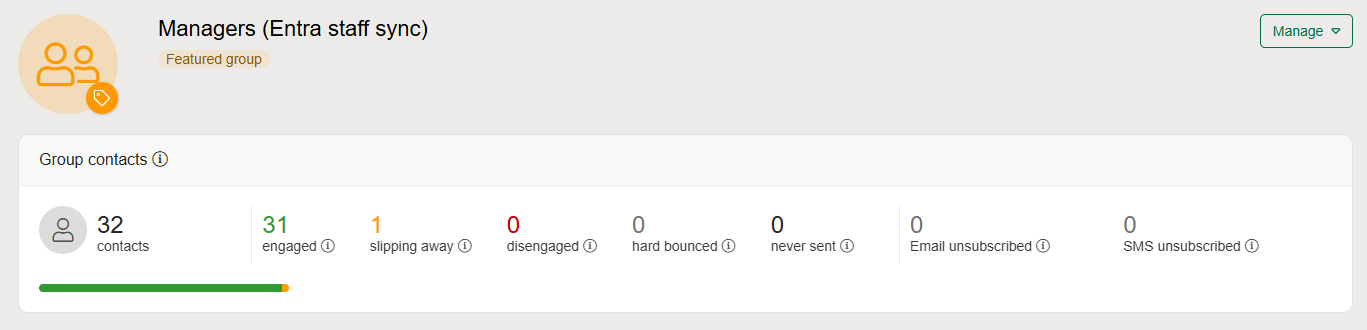
With Entra-synced staff list, you have further scope for analysis and targeting. Depending on the information you capture as part of Entra ID, you can break down the data further by for example location, job title or department. This gives you greater insights on what content is landing with different segments across your organisation, allowing you to target key messages to particular groups, or focus on re-engaging those colleagues who are slipping away with a more targeted approach.
3. Automate the routine
Email automation frees up your time for the work that needs a human touch. There are many use cases for email automation for internal comms including:
welcome series for new starters
event invites and reminders
staff surveys
campaigns and wellbeing programmes
Automated reminders, or “nag mode”, can also be set up to only go to people who haven’t acted …yet on a request. Creating an automated series to remind staff to complete a Wellbeing Survey or attend a staff training event can run until that task is complete. That gentle nudge, plus a clear deadline, gives people a reason to act to stop receiving these reminders.
Make your messages more human
4. Put your leaders front and centre
Staff want to hear from the people leading the organisation. The temptation is to share long-form propose but that can have the opposite effect, leading staff to disengage with content. Short, informal videos that shows a more human side of leadership teams can build trust far quicker than a formal memo.
This could be a staff newsletter featuring video updates from your Chief Executive or a director’s site-visit video sent straight to colleagues at a particular location. Keep it short, keep it real, and link to where people can ask questions.
5. Broadcast, then let people catch up
Not everyone can make a live all-staff briefing. Shift workers, part-time staff and people in meetings will miss it.
Record your briefings and follow up with a “watch back” email. Add a short summary of the key points for people who won’t watch the full recording to ensure the key messages are circulated.
6. Go omnichannel
Email is still the backbone of internal comms, but it isn’t the only channel. Many frontline staff don’t sit at a desk all day.
Sharing your updates or newsletter into a Microsoft Teams channel, or sending a WhatsApp message with a link, helps you reach people where they already are. Use each channel to point back to one core message, so the story stays consistent.
Make it easy and enjoyable to take part
7. Make every message accessible
If staff struggle to read your message, they won’t act on it. Accessible content benefits everyone, including colleagues with disabilities, those reading in a second language and anyone reading on a phone. Run your copy through a readability checker before you send. Use short sentences, plain English, meaningful link text and alt text for images.
Did you know we offer free bi-monthly accessibility training sessions covering best practice and e-shot tips. Few upcoming sessions here.
Making your content accessible also means it is more accessible for AI summaries. Put your key message and any action in the first two lines. Use a specific subject line, clear headings and descriptive link text, and never leave important details in an image. If your email makes sense when summarised in three bullet points, it will work for those with accessibility needs, for busy readers and AI assistants alike.
8. Make it interactive
Interaction turns readers into participants. Quizzes, polls and games all help, and AI tools now make it quicker to repurpose content.
For example, AI notebook tools can turn a set of documents into an audio overview, mind map, flashcards or quiz. Making (appropriate) things fun can really help with cross team collaboration and engagement; not every message needs to be serious to be useful.
9. Involve your staff
The most engaged staff are the ones who feel heard. Ask for ideas, make it easy to contribute, and show what happened next. Whether its ideas for content they would like to hear about in future newsletters or ideas for staff charity initiatives, perhaps it is providing a space for more contentious issues around changes in structure, leadership or parking. By providing a way for staff to voice their opinions, and their concerns, ensures better staff engagement with real, measurable outcomes that supports good work and wellbeing.
What to watch out for
More channels and more automation aren’t always better. Too many messages can feel like noise, so set clear rules for how often you send and to whom. Make sure staff data is handled in line with your data protection policies. And remember that numbers only tell part of the story. Pair your engagement data with surveys, focus groups and conversations with managers.
In conclusion
Internal comms engagement isn’t down to luck. Get the foundations right by integrating your data, measuring engagement and automating the routine. Make your messages human with visible leaders, recorded briefings and using the right channels. Then make it easy to take part with accessible, interactive content and real opportunities to get involved.
You don’t need to do all 9 at once. Pick one or two, measure the difference, and build from there.
Want to see how e-shot helps public sector teams improve internal comms engagement? You can book a demo or contact our team here. And don’t forget to share your top tip with us!
FAQs
What is internal comms engagement?
Internal comms engagement measures how staff interact with the messages you send, such as opening, reading, clicking and responding. It shows whether your communications are being seen and acted on.
How can I measure staff engagement with internal emails?
Use an email platform that tracks engagement over time, not just opens. Group staff by how recently they engaged (for example, engaged, slipping away or disengaged), and compare results across departments and locations.
How do I reach frontline staff who don’t use email?
Use more than one channel. Share key updates through Microsoft Teams, WhatsApp, text messages, printed materials and team briefings, and keep each version pointing to the same core message.
How can internal comms support organisational change?
Keep staff informed with regular, honest updates, make leaders visible, and give people safe ways to ask questions and share ideas. Accurate, up-to-date staff lists are essential when teams, structures and ways of working are changing.
You may also like these blogs
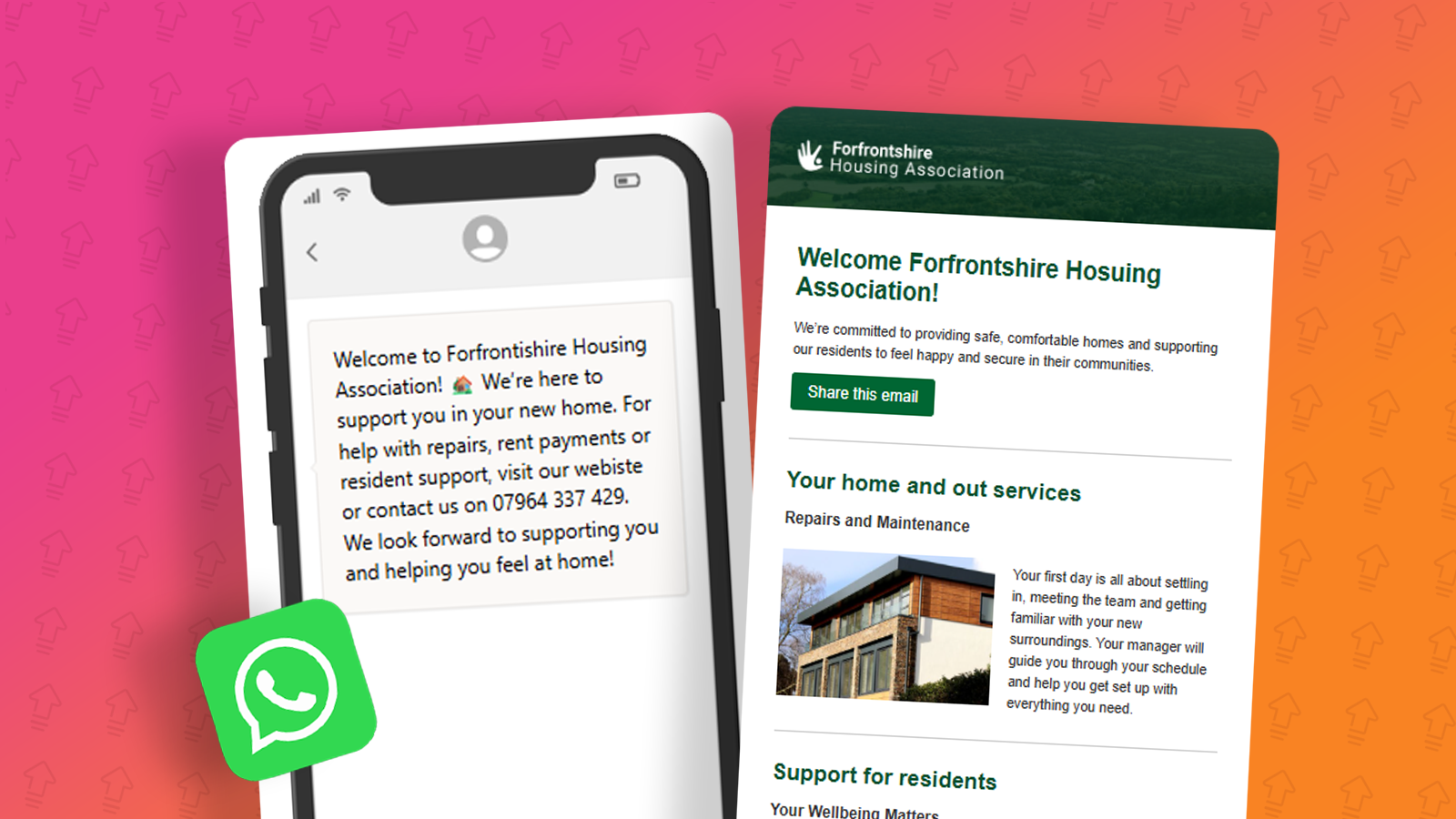
Better resident communication and closing the loop
October 19th, 2026 - Stephanie Richardson
How can social landlords reach more residents and evidence engagement? Social landlords can reach more residents by using the channels people...
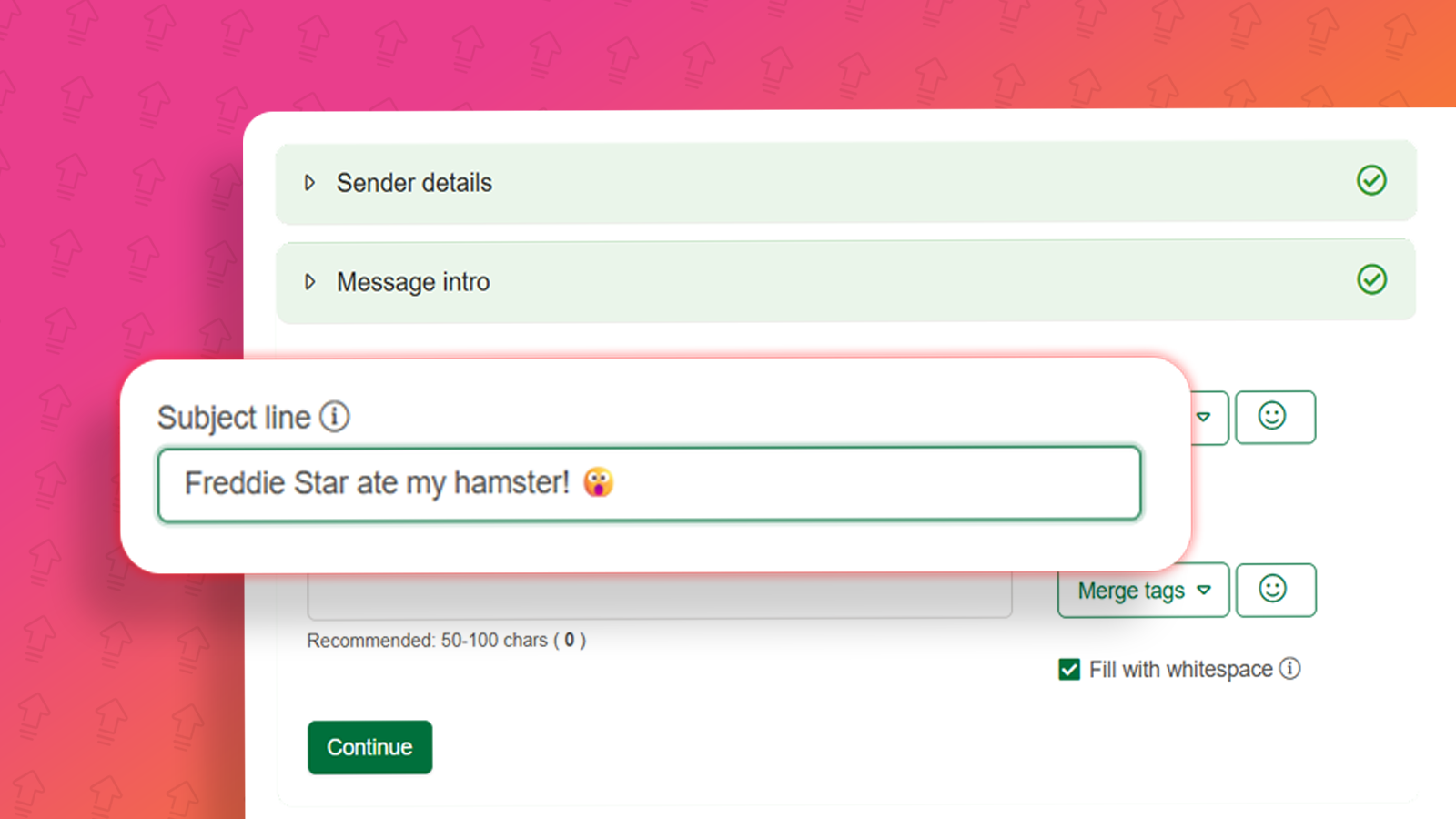
Email subject lines: 10 top tips for success
May 19th, 2026 - Harry Thomas
In an inbox brimming with emails demanding your readers’ attention, the subject line is your first, and sometimes your only, chance to make an...
Hard bounce vs soft bounce: What's the difference?
August 26th, 2026 - Sadie Burgess
According to the DMA's Marketer Email Tracker 2026, email remains a core marketing channel, with 74-83% of marketers using it across every...
Solutions

Email Marketing
Create email campaigns and newsletters and manage end-to-end subscription processes with forms and preferences.

Marketing Automation
Create sophisticated automated campaigns for email and SMS combined.

Digital Communication
The comprehensive solution to manage and automate your digital communication across email, SMS, websites and landing pages.

Email marketing healthcheck
We are confident that we can help you, which is why we offer a free healthcheck to identify potential issues with your current programme and free advice on things that could be done to improve it.