Blog
CATEGORY: Public Sector
Guest blog: Are you ready for structural reform?
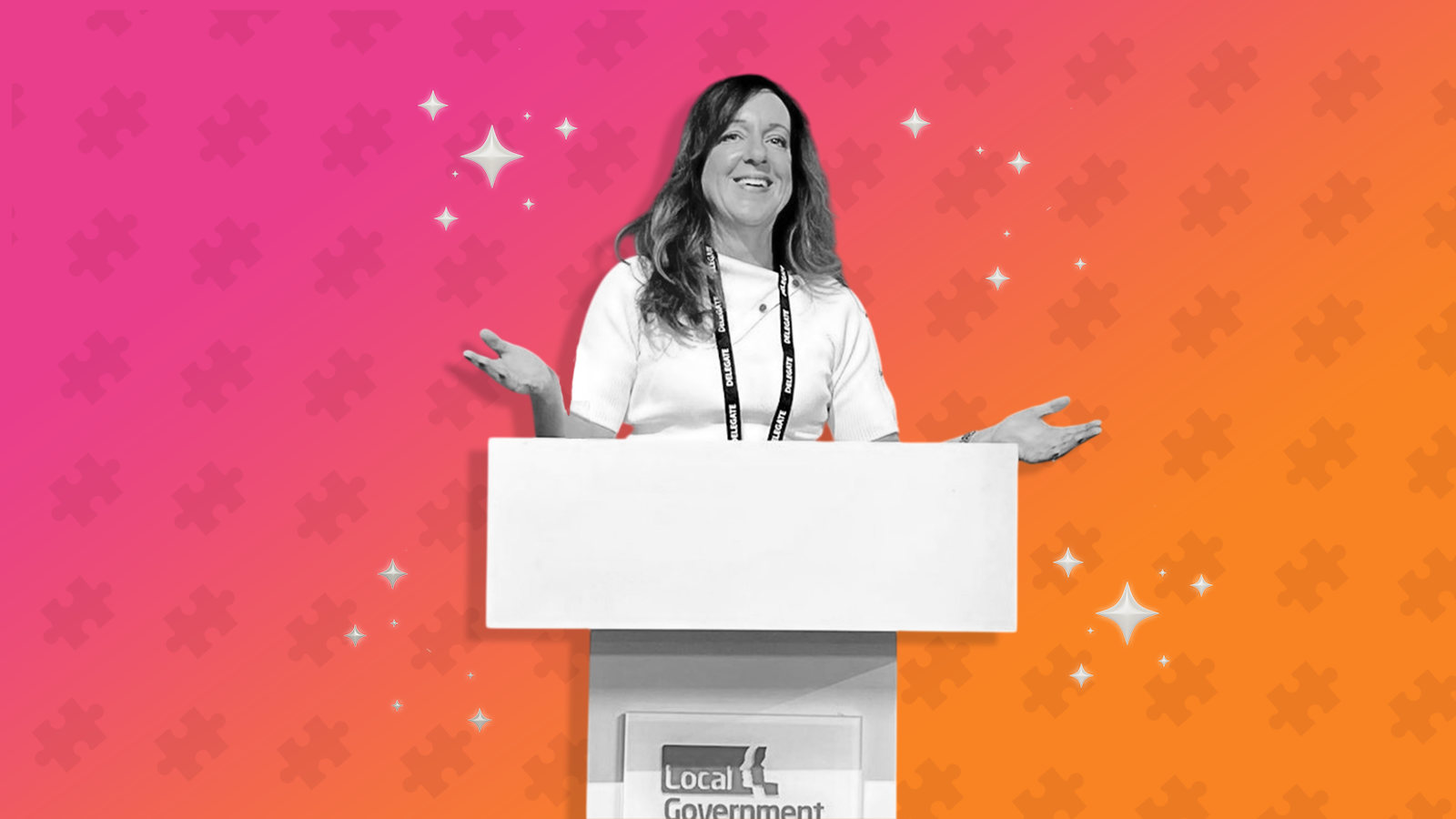
For our first guest post of 2025 I am delighted to share this from Georgia Turner. A Chart. PR consultant with 25 years experience motivating, growing and directing communications, brand and creative, consultation, research and engagement, campaigns, digital and, PR and media teams across the public sector. She personally understands the pressures and possibilities, complexities and capabilities, fun and frustrations of working in communications and engagement.
For local government communications leaders, 2025 is shaping up to be a year of significant transformation. With devolution and structural reform firmly on the government’s agenda, the expectations for strategic authorities and unitarisation across England are clear and pressing. As councils navigate these monumental changes, heads of communications will find themselves at the heart of the action, shaping narratives, managing relationships, and ensuring seamless transitions. In her article Georgia draws on lessons learned from leading the unitary programme in Dorset to provide practical insights for navigating this complex but crucial journey.
Over to you Georgia...
Are you ready for structural reform?
At the risk of stating the obvious, for local government comms leaders in 2025, devolution and structural reform should be at the very top of your agenda. Almost exclusively.
The government has set the timetable and been clear about the expected solution – strategic authorities for sub-regions and unitarisation across England. Perhaps the greatest time pressure is felt in the two-tier system due to the government request to consider postponing county council elections this year. For heads of comms, being 100% across this is critical, whether you’re working in a smaller unitary (by government definition, this is less than 500,000 residents), or a two-tier structure, or larger unitaries preparing for strategic authorities.
Having been comms lead for the unitary programme in Dorset from 2015 – 2019, I can share a few tips:
1. It won't always be this painful
Particularly in this early stage, councils will be positioning and setting out their responses -hopefully with your advice and perspective. Existing boundaries can be tantamount to battle lines as the make-up of new unitary councils is debated. Strike a balance between professional and passion and ensure you have a resilience strategy in place to support your own wellbeing while the politicians fight it out.
2. What’s the shared narrative?
Sooner or later, you’ll need a single story for LGR and devolution on your patch. This will give clarity and a rationale for change to local people and partners in a way that is relevant and resonates. It will set out what will be different, why and answer what the change means for them. What role do you need to have in the creation of that narrative and bringing it to life?
3. Relationships are key
You’ll need to work together with comms leads in the sub-region to support the programme your organisations will put in place. The covid pandemic brought comms colleagues from different organisations together like never before – so hopefully those relationships have endured and blossomed further. You’re going to need them. Likewise, don’t forget your own teams – they will be feeling all sorts of emotions - concerned, excited, energised, stressed, unprepared. Make time to maintain the bonds you have and keep them involved.
4. Be at the table
When I led the comms and engagement for structural change in Dorset, I was a member of the strategic programme board, sat at the table with six chief executives and nine council leaders, contributing to the most important strategic decisions for that change programme. It is the only effective way for comms to be involved, stay ahead of the curve and add true value.
5. Be an early adopter
Comms is one of the few services that needs to be properly up-and-running from day one of any new council. While many services need ‘safe and legal’ landing and might take years to fully integrate operations, comms will need to ensure the new council’s launch is supported through branding and rationalisation of operational channels such as social media accounts and email marketing. This isn’t for vanity’s sake (although who doesn’t love to show off a shiny new logo 😉); it’s about service access and public reassurance. Residents need to know who is providing local government services where they live; who to contact for support when they need it; and to recognise legitimate contact whether in-person or via email or post.
Working on LGR in Dorset was the most exciting, rewarding and challenging time of my career. I hope you enjoy it too!
Thank you so much Georgia for sharing your experiences and learnings. Devolution and structural reform represent both challenges and opportunities for local government communications teams. By staying resilient, fostering strong relationships, and securing a seat at the strategic table, comms leaders can play a pivotal role in shaping the future of local government. From crafting shared narratives to managing the finer details of branding and service access, the work you do today will leave a lasting impact on how councils engage with residents and deliver services in the years to come. Embrace the journey – it’s a chance to make a real difference for your community.
If you’d like to chat further about anything Georgia has written here, feel free to drop her a line at GeorgiaTurnerCommunications@gmail.com or reach out via Linkedin.
You may also like these blogs

Maximising impact with limited resources in 2025
January 9th, 2025 -
Local authority communications teams are poised to navigate one of the most transformative years in decades. As the Government's white paper...

Best use of email for 2025
December 10th, 2024 - Harry Thomas
It was our second year judging the category of “Best use of email” at the UnAwards this year and we were delighted that along with 2024 being a...
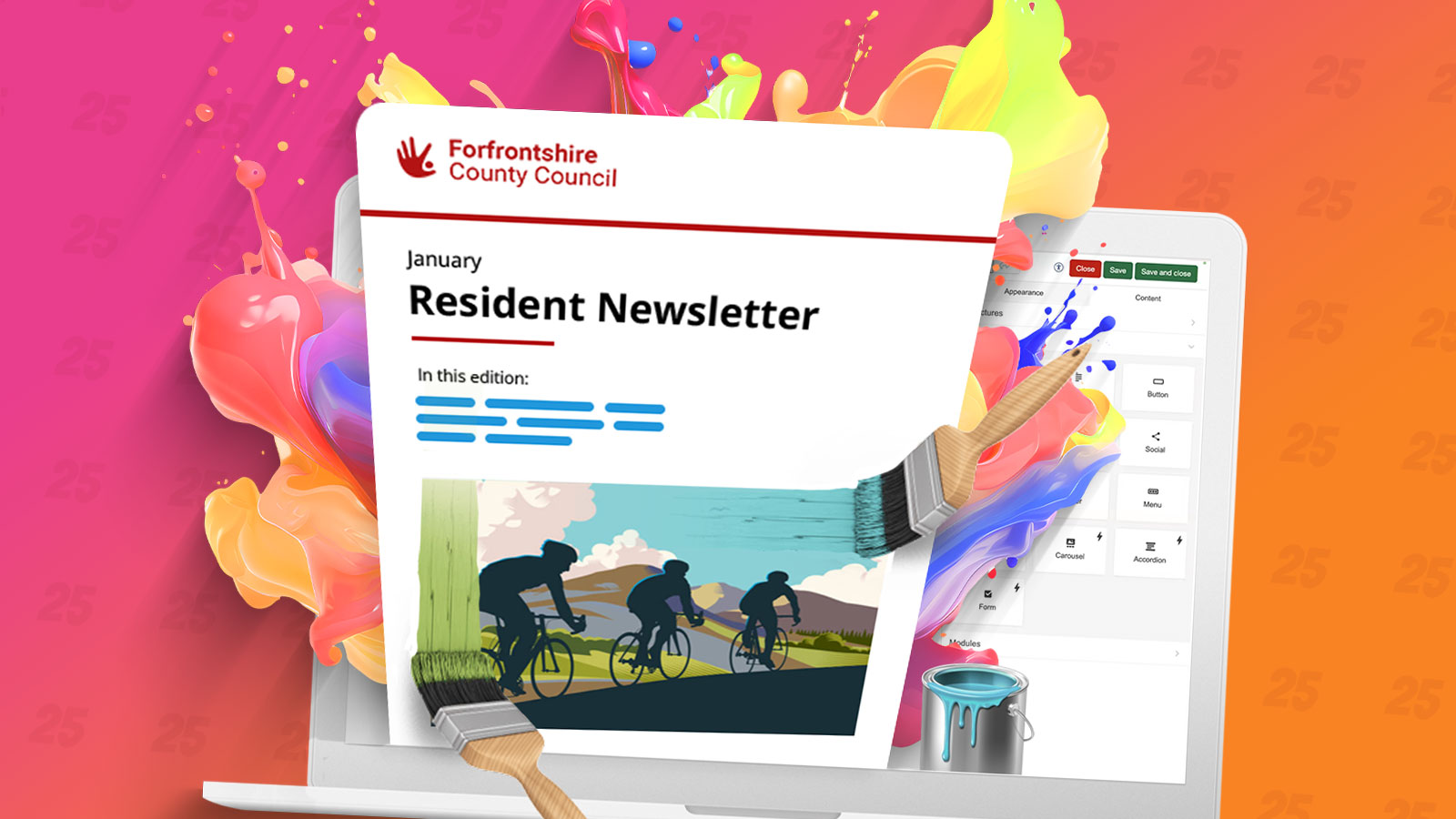
2025 inspiration: Email design
January 2nd, 2025 -
While subject lines and content remain crucial, the design of your emails plays a pivotal role in capturing attention and driving engagement among...
Solutions
Email Marketing
Create email campaigns and newsletters and manage end-to-end subscription processes with forms and preferences.

Marketing Automation
Create sophisticated automated campaigns for email and SMS combined.

Digital Communication
The comprehensive solution to manage and automate your digital communication across email, SMS, websites and landing pages.

Email marketing healthcheck
We are confident that we can help you, which is why we offer a free healthcheck to identify potential issues with your current programme and free advice on things that could be done to improve it.