Blog
CATEGORY: Best practiceDeliverability
Deliverability 101: How to Improve Inbox Placement and Email Performance.
Few channels can match email's reach. According to the DMA Marketer Email Tracker 2026, 74-83% of marketers use email across every stage of the customer journey, making it one of the most versatile and widely adopted marketing channels available. With email playing such a central role in customer communications, maintaining strong deliverability is essential.
What is email deliverability and why is it important?
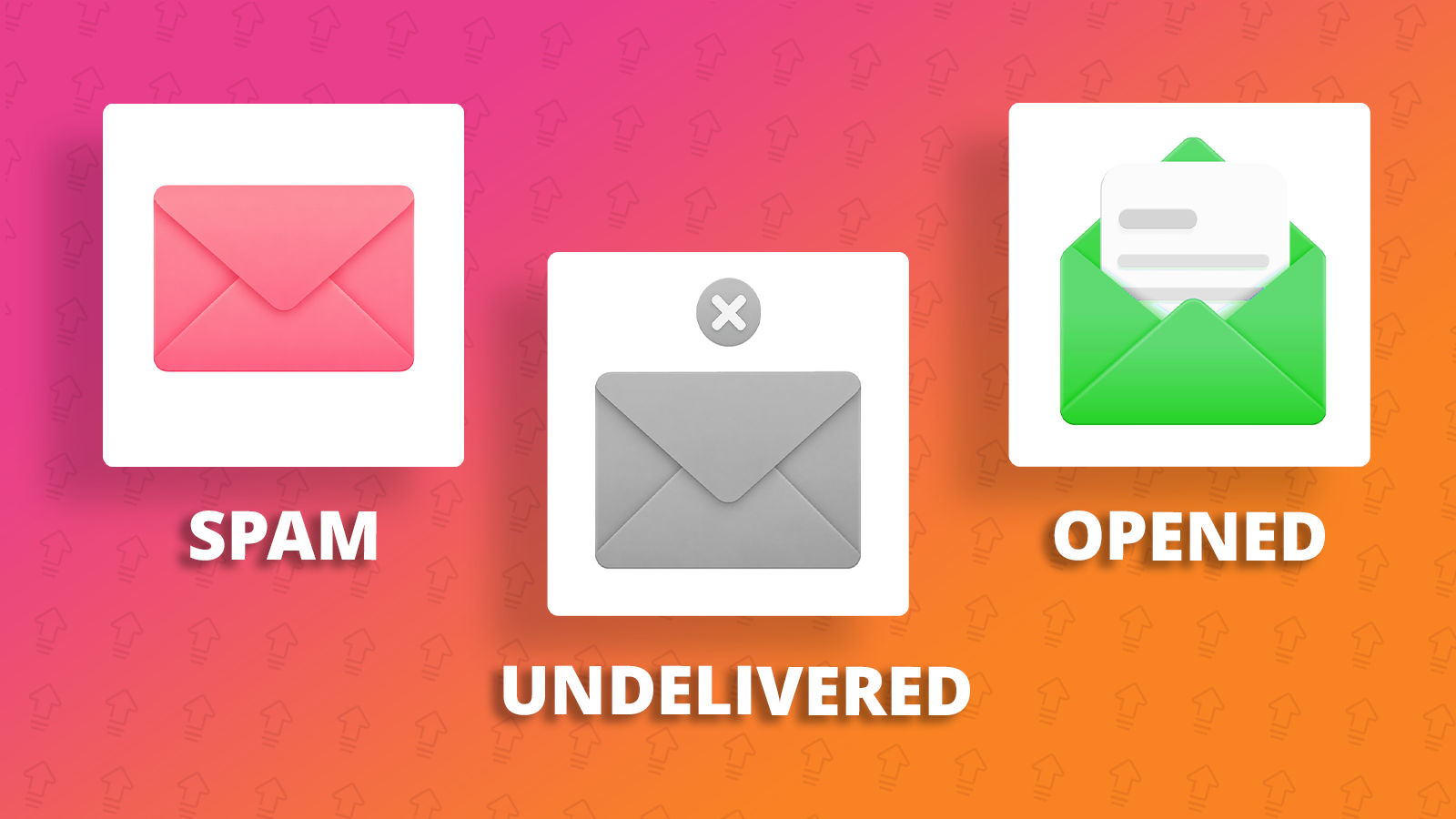
Email deliverability is simply when your message is successfully sent to a recipient's inbox rather than being filtered into spam, junk folders or blocked altogether. Sometimes referred to as inbox placement, it is the crucial first step in communicating with your audience; ensuring that they receive your email in the first place. Deliverability therefore precedes all email marketing metrics including open, click-through rates and conversions, because recipients must first receive the email before any engagement can occur.
Quick Answer: Email deliverability is the ability of an email to successfully reach a recipient's inbox rather than being sent to spam, junk folders or blocked entirely.
Why deliverability matters
Ensuring that an email arrives in an inbox is the cornerstone of email marketing practice. From this, further considerations emerge such as:
Inbox placement rates. The higher these rates are the greater visibility for your email campaign.
Improved engagement. Better deliverability can help improve engagement rates within recipients’ inboxes.
Marketing ROI. Poor deliverability can significantly reduce the returns generated by email marketing campaigns.
Damaged sender reputation. If this occurs, it can have a negative impact on your future campaigns.
Conversely, the most common causes of poor deliverability include:
Missing SPF, DKIM or DMARC records.
Sending to outdated email lists.
High spam complaint rates.
Excessive sending frequency.
Poor engagement rates.
Sudden increases in sending volume.
Sending irrelevant content.
Avoiding these issues can dramatically improve inbox placement. These issues are addressed below.
The five factors that influence deliverability
Email deliverability is influenced by a combination of technical, behavioural and content-related factors. To achieve optimum deliverability we highlight five important factors that you need to consider: identity, reputation, list quality, content and measurement.
Identity: Authentication and validation
The recipient’s mailbox provider needs to be able to confirm your identity as the sender and differentiate you from spammers. Authentication protocols usually include DKIM, SPF and DMARC.
DomainKeys Identified Mail (DKIM). Known as “digital signature,” this is a method for associating a domain name with an email message, allowing a person, role, or organisation to claim some responsibility for the message. A digital signature gives recipients a reason to believe the email message was created by a known sender and was not altered in transit.
Sender Policy Framework (SPF). A Domain Name Server (DNS) record that says an IP or domain can send email on your behalf. SPF enables the owner of a domain to specify which mail servers are authorised to send mail on its behalf. The receiving mail server will check the sending server’s identity against the SPF record and will accept or reject it based on the result.
Domain Message Authentication Reporting and Conformance (DMARC). Ensures that emails meet SPF and DKIM requirements before they are delivered.
If you cannot prove your identity, your recipient’s email address or domain name are not valid, or your IP address/domain has been blocked, then your email is likely to bounce and fail to reach the recipient’s inbox.
A hard bounce is a permanent failure to deliver an email usually due to the email address not existing, being invalid, or being blocked. Email addresses that result in hard bounces can negatively impact deliverability and should be removed from your email lists.
Reputation: Building trust with mailbox providers
An email sender reputation is a score that an Email Service Provider (ESP) assigns to an organisation that sends email. It’s a crucial component of your email deliverability. The higher the score, the more likely an ESP will deliver emails to the inboxes of recipients on their network. If the score falls below a certain threshold, the ESP may send messages to recipients’ junk/spam folders or even reject them outright. Several factors can go into determining the score, including:
The amount of email sent by the organisation
How many recipients mark the organisation’s emails as spam or otherwise complain to the ESP about the messages
How often the organisation’s emails hit spam traps
The organisation’s inclusion on different blocklists
How many of the organisation’s emails bounce because they were sent to unknown users or for other reasons
How many recipients open, reply to, forward, and delete the organisation’s messages, as well as click the links found in them
How many recipients unsubscribe from the organisation’s email list
Each ESP decides which factors to include in its sender reputation and how heavily it weights those factors when calculating the reputation for each organisation that sends email to some of its users. A sender could have varying reputation scores for different ESPs. If a sender has multiple domain names and sends email from different IP addresses, each one will have its own sender reputation.
Sender reputation is not determined solely by technical factors. Mailbox providers also assess recipient engagement, including opens, clicks, replies, deletions and spam complaints. Mailbox providers also view large spikes in sending volume as suspicious. Maintaining steady sending patterns helps build trust and protect sender reputation. Consistently sending relevant content to engaged audiences helps build trust and improve inbox placement.
List quality matters
Deliverability starts with your audience. Sending to disengaged, outdated or low-quality contacts can negatively affect sender reputation and inbox placement. Best practices include:
Removing hard bounces immediately.
Regularly suppressing inactive subscribers.
Avoiding purchased email lists.
Validating email addresses at the point of capture.
Running re-engagement campaigns before removing inactive contacts.
The quality of your subscriber base is often more important than the size. Consistently mailing engaged contacts generates stronger engagement signals and helps maintain a positive sender reputation.
Once authentication, sender reputation and list quality have been addressed, attention can turn to the content itself.
Content: Creating emails that reach the nnbox
While authentication and reputation influence whether an email is accepted by mailbox providers, content influences how recipients engage with it. Poor engagement can ultimately affect future deliverability.
Focus on creating relevant, targeted content that matches subscriber expectations. Strong subject lines, clear calls to action and valuable messaging encourage positive engagement signals which help reinforce sender reputation over time.
Avoid:
Misleading subject lines
Excessive capitalisation
Multiple exclamation marks
Overly promotional language
Large image-only emails
Measurement: Monitoring and Improving Performance
Deliverability should be monitored continuously rather than only when problems occur. Regular measurement helps identify issues early, before they begin affecting campaign performance. It is important to make sure that you are monitoring the right metrics. While open rates and click-through rates remain useful indicators, they should not be the only measures of success. Modern email programmes should also monitor deliverability metrics such as:
Inbox placement
Bounce rates
Spam complaints
Domain reputation
Authentication status
Monitoring these metrics over time allows marketers to identify trends, maintain sender reputation and improve inbox placement.
Measurement: Monitoring and improving performance
Deliverability should be monitored continuously rather than only when problems occur. Regular measurement helps identify issues early, before they begin affecting campaign performance. It is important to make sure that you are monitoring the right metrics. While open rates and click-through rates remain useful indicators, they should not be the only measures of success. Modern email programmes should also monitor deliverability metrics such as:
Inbox placement
Bounce rates
Spam complaints
Domain reputation
Authentication status
Monitoring these metrics over time allows marketers to identify trends, maintain sender reputation and improve inbox placement.
How Email Forensics helps improve deliverability
Understanding these metrics is one thing; having the tools to monitor and improve them before deployment is another.
Tools such as e-shot’s Email Forensics can help you review key elements of deliverability, content and infrastructure before going live with your email campaigns. It highlights any areas requiring attention or improvements so you can continually optimise your campaigns and improve your results. Email Forensic reporting is fully integrated within the e-shot platform, providing marketers with actionable insights into authentication, content and infrastructure performance.
By identifying issues before deployment, marketers can improve inbox placement, protect sender reputation and maximise campaign performance.
The future of deliverability
As mailbox providers increasingly use automation and AI to help prioritise messages, deliverability will rely on more than technical compliance alone. Authentication, sender reputation and recipient engagement will continue to play a vital role in determining inbox placement.
Organisations that build strong deliverability foundations now will be better placed to adapt as inbox experiences evolve.
Frequently Asked Questions (FAQ) for email deliverability
What is email deliverability?
Email deliverability is the ability of an email to reach a recipient's inbox rather than being blocked or sent to spam folders.
What affects email deliverability?
The main factors affecting email deliverability are authentication, sender reputation, email content, recipient engagement and list quality.
Why is sender reputation important?
Mailbox providers use sender reputation to determine whether emails should be delivered to the inbox, spam folder or blocked entirely.
How can I improve email deliverability?
You can improve deliverability by implementing SPF, DKIM and DMARC, maintaining good list hygiene, sending relevant content and monitoring your sender reputation.
What is a good email deliverability rate?
Most organisations aim for a deliverability rate above 95%, although this varies by industry and audience.
How do I know if my emails are going to spam?
Common indicators include declining open rates, rising spam complaints, increased bounce rates and reduced inbox placement. Deliverability testing tools can help identify issues before campaigns are deployed.
What is the difference between email delivery and email deliverability?
Email delivery measures whether an email was accepted by the receiving server. Email deliverability measures whether that email successfully reached the recipient's inbox rather than being filtered into spam or junk folders.
Updated: August 2026
You may also like these blogs

Maintaining deliverability to Microsoft contacts
February 26th, 2026 - Harry Thomas
Affected contact addresses: outlook, Hotmail and live.com Since 2025 and increasingly into 2026, Microsoft has fundamentally strengthened how it...
Solutions

Email Marketing
Create email campaigns and newsletters and manage end-to-end subscription processes with forms and preferences.

Marketing Automation
Create sophisticated automated campaigns for email and SMS combined.

Digital Communication
The comprehensive solution to manage and automate your digital communication across email, SMS, websites and landing pages.

Email marketing healthcheck
We are confident that we can help you, which is why we offer a free healthcheck to identify potential issues with your current programme and free advice on things that could be done to improve it.