Blog
CATEGORY: Best practicePublic Sector
5 Practical steps to build your email newsletter audience
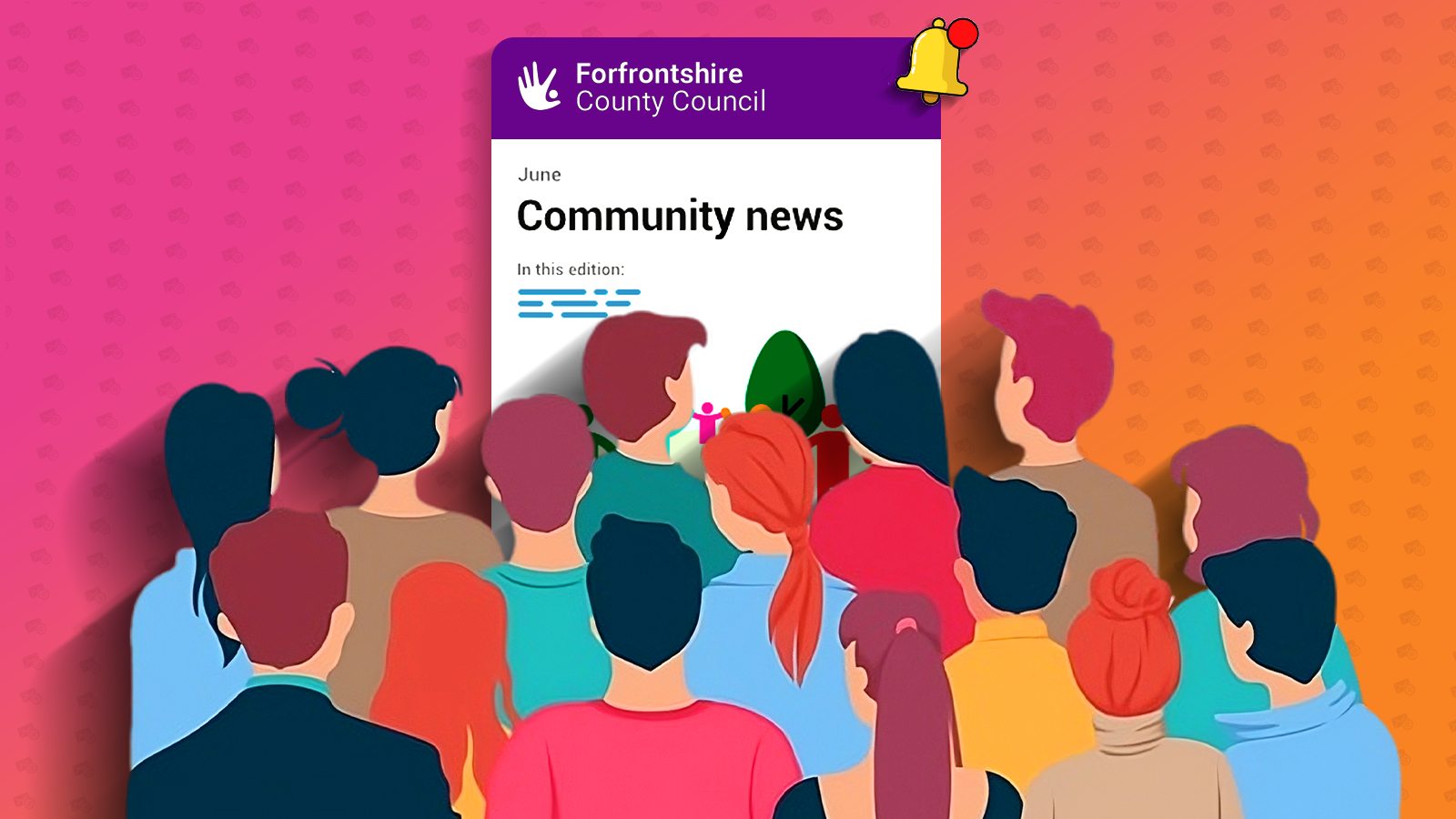
If you're responsible for communications in a local authority or other public sector organisation, you already know that email newsletters are one of the most effective ways to reach your residents. They’re direct, personal, and trusted – and they consistently outperform social media for engagement.
But how do you grow your email audience in a way that’s sustainable and adds real value to your residents?
Here are five practical, proven steps you can take to build your newsletter subscriber base – without expensive campaigns or complicated tools.
1. Give the people what they want
Start with the topics your residents care about most.
When someone signs up to receive emails from their council or public body, they’re expecting relevance and usefulness. So, begin by understanding what your residents actually want to hear about.
The most popular topics across many councils include:
What’s on locally – events, markets, family-friendly activities
Highways and transport updates – planned roadworks, bus route changes, gritting alerts
Waste and recycling – bin day reminders and service changes
Use website analytics, customer service data, and social media comments to identify hot topics. Build your newsletters around these interests and make it easy for residents to subscribe by topic.
Tip: Meet people where their needs are, and then you have a vehicle to communicate with them about the council’s strategic priorities.
2. Use your own channels – your website
Turn your digital real estate into a subscriber machine.
Your website is likely your highest-traffic digital channel – and often your most under-used tool for growing your email audience.
Make sure there are clear, attractive newsletter sign-up calls to action (CTAs) across key pages like:
Council tax
School term dates
Planning and development
Library services
Use simple sign-up forms, either on page or create a timely pop-up with a sign-up form inside. Keep it short. If possible, let people choose the topics they want, or have a variety of forms specific to each topic.
Bonus idea: Add newsletter sign-ups to confirmation pages – for example, after someone reports a missed bin or pays a parking fine. They’ve just interacted with you – now offer them something useful in return.
3. Use your own channels – social media
Turn scrolling into subscribing.
Social media is a great way to drive people to your email sign-up pages – especially when you highlight the value of the newsletter.
Rather than just saying “Sign up to our newsletter,” show what’s in it for them:
“Get weekly bin day reminders straight to your inbox”
“Be the first to know about free family events near you”
“Get local roadworks alerts every Friday – subscribe now”
Use boosted posts when possible and pin your most effective sign-up messages to the top of your profiles.
And remember: social media reach is unreliable. Email isn’t. Use social to convert casual scrollers into committed subscribers.
4. Collaborate with other teams – like customer services
Your front-line teams talk to more residents than anyone. Make it count.
Customer service teams (including libraries and contact centres) are a goldmine of resident interaction. Work with them to:
Promote newsletter sign-up during phone calls and face-to-face visits
Add sign-up links to email footers or satisfaction surveys
Include leaflets or QR codes at physical counters
You could even train key staff to ask: “Would you like to get updates on this kind of thing by email?”
This is about being helpful, not pushy. And if the email content delivers value, residents will thank you for it.
5. Incentivise sign-ups
Sometimes, a little nudge goes a long way.
Competitions and exclusive offers can be a smart, ethical way to boost email subscriptions – especially when promoting seasonal campaigns or new newsletters.
Ideas include:
Prize draws to win local event tickets or shopping vouchers
Early access to holiday activities or resident consultations
“Subscriber-only” updates, offers, or downloads
Just make sure you’re clear about how their data will be used, and that you’re offering genuine value in return.
Tip: If you run campaigns with local partners, ask if they’d be willing to support an incentive – it helps everyone involved.
Final thought: Build once, benefit for years
Growing your email audience takes a little upfront effort, but the payoff is huge. Once a resident subscribes, you’ve created a direct line of communication – on your terms, with no algorithm in the way. Read about how Surrey County Council built “Surrey Matters”, their flagship newsletter, into a strategic communication channel ».
Use these five steps to keep building and nurturing that list. And remember: every subscriber is a potential advocate, voter, or service user who just needs the right message at the right time.
You may also like these blogs
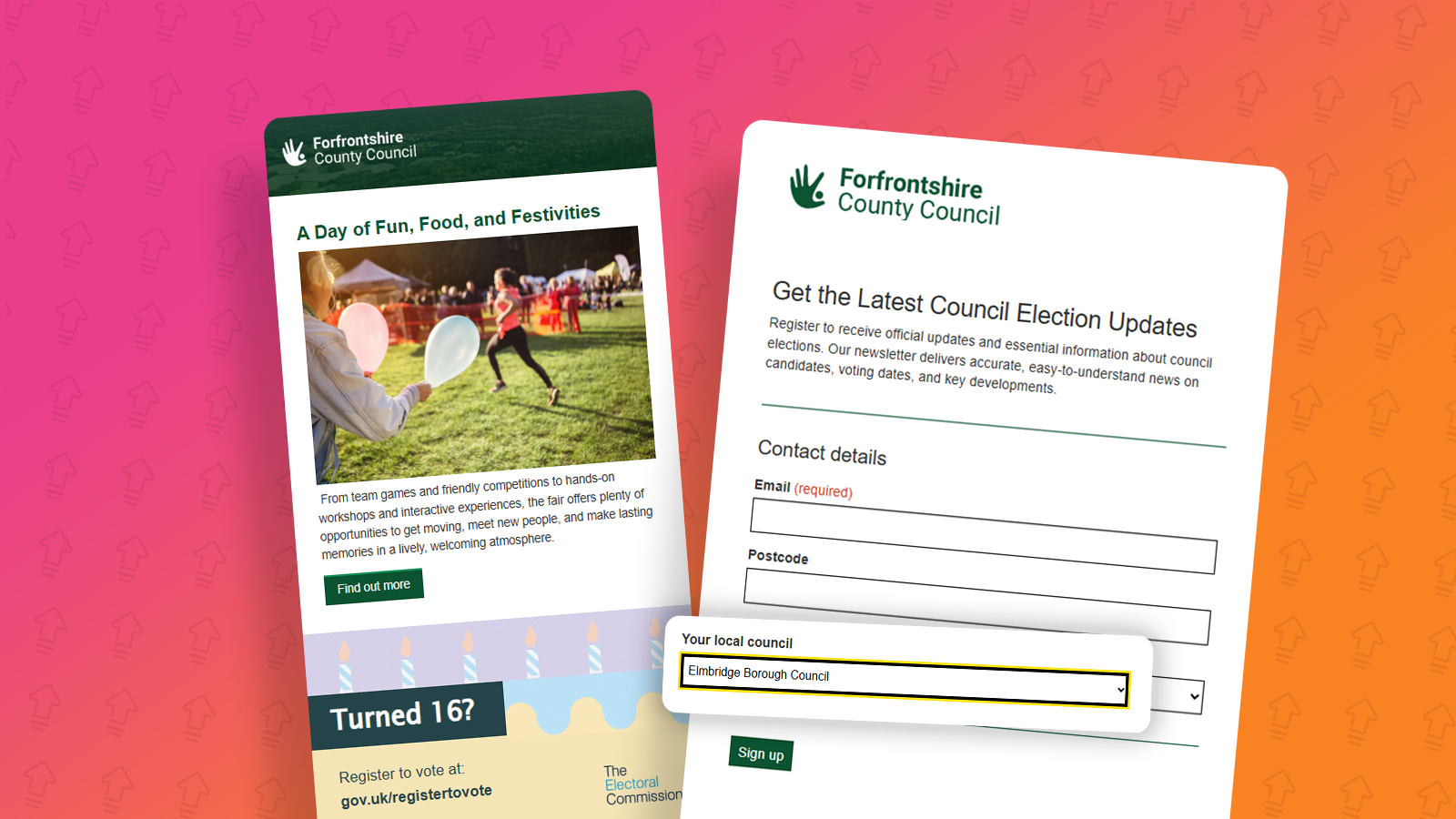
5 ways email can be used to promote local elections
February 16th, 2026 - Harry Thomas
Local elections suffer without direct contact. During campaigns, crucial information doesn’t reach the right people, confusion grows, and turnout...
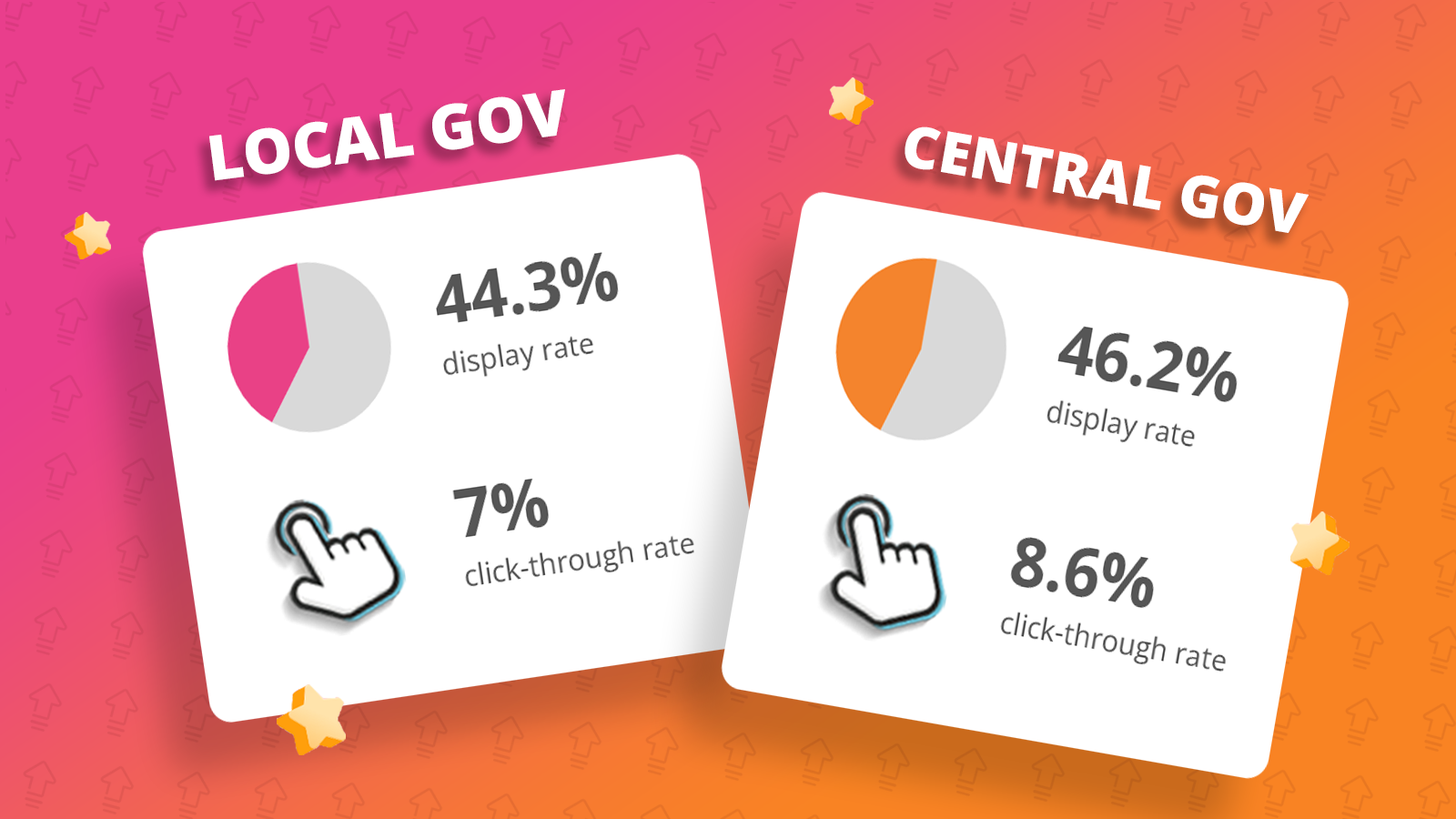
Public sector email benchmarks for 2026
January 5th, 2026 - Harry Thomas
What the data from 300 million public sector emails sent last year shows us (and what it doesn’t) This report summarises the 2025 performance over...
Solutions
Email Marketing
Create email campaigns and newsletters and manage end-to-end subscription processes with forms and preferences.
Marketing Automation
Create sophisticated automated campaigns for email and SMS combined.

Digital Communication
The comprehensive solution to manage and automate your digital communication across email, SMS, websites and landing pages.

Email marketing healthcheck
We are confident that we can help you, which is why we offer a free healthcheck to identify potential issues with your current programme and free advice on things that could be done to improve it.